Field Note 04 · On creativity · November 2026 · 4 min read
I grew up playing by ear.
Now I spend my days giving structure to other people's ideas. A night at the symphony showed me why those two things were never opposites.
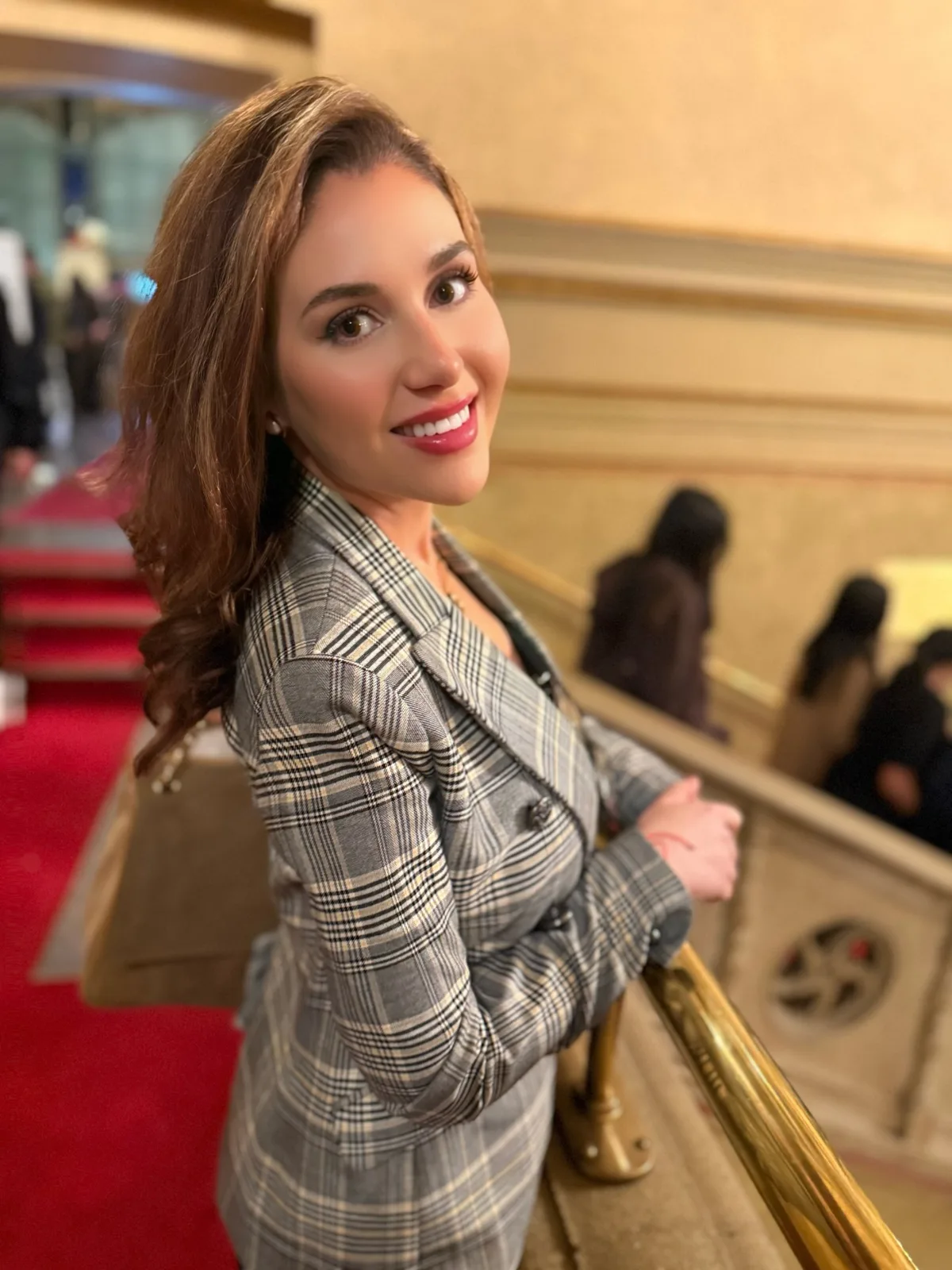
Now I spend my days giving structure to other people's ideas. A night at the symphony showed me why those two things were never opposites.
Live to film.
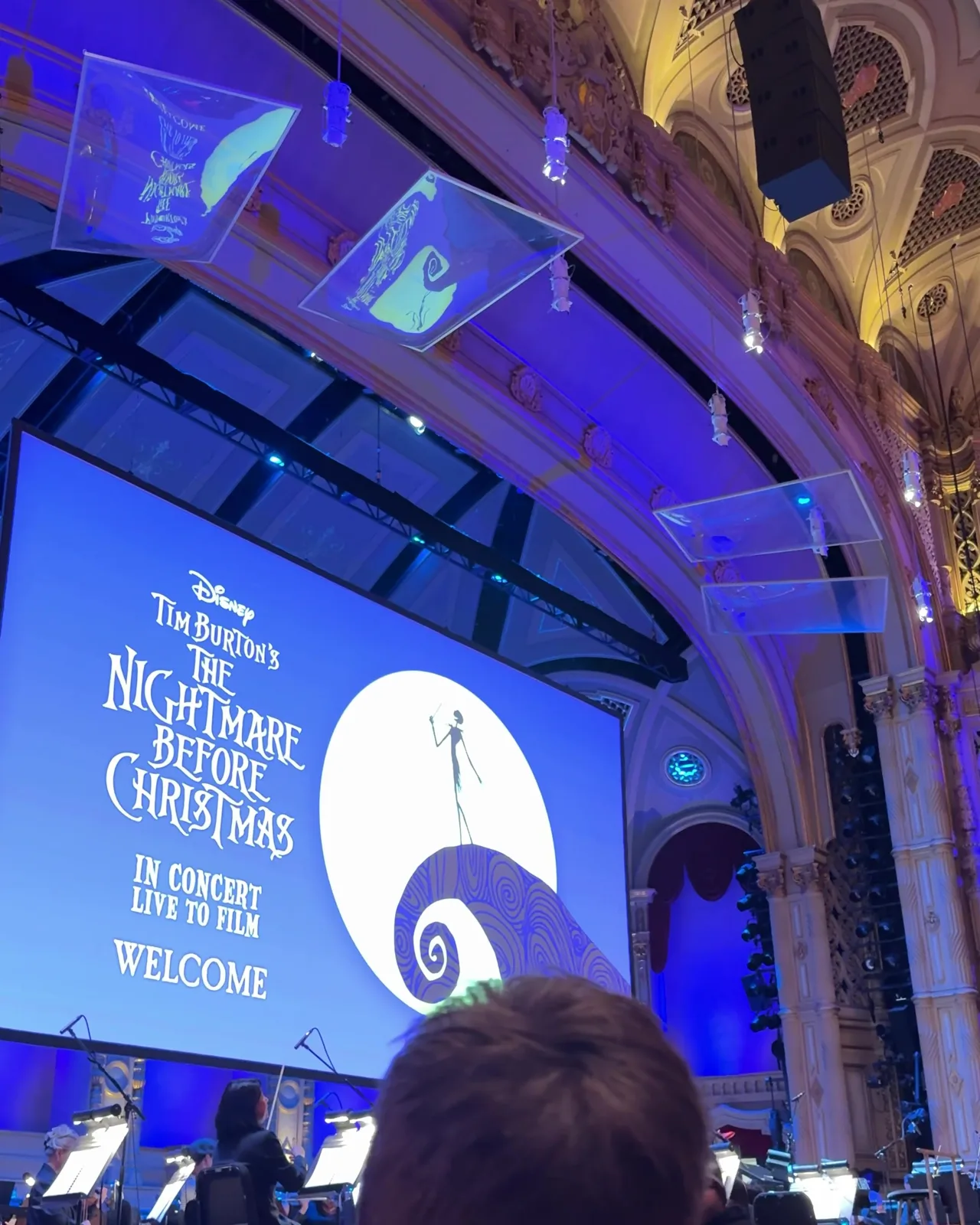
On Friday I watched the Vancouver Symphony Orchestra, conducted by Karl Hirzer, play Danny Elfman's score to The Nightmare Before Christmas, live to the film at the Orpheum. One night only.
Live to film is harder than it looks. The film doesn't wait. Every musical cue has to meet the picture at exactly the right moment, frame after frame.
At first I watched the screen. Then I found myself watching the musicians.
Where it started.
Music has always been my constant. It's where I think, reset and connect.
My dad sang and played keyboard for an American band in Korea. My stepdad is a talented guitarist who plays in bands around the world. I grew up playing piano and cello, singing in choirs, dancing and performing in theatre.
And yet reading traditional notation never came naturally to any of us. Listening did.
We hear patterns. We feel where a song is going before it gets there. We know when something fits, and when it doesn't.
It took me years to notice the irony. I come from a family that plays by ear, and I built a career giving structure to other people's ideas.
Playing by ear isn't playing without structure. It's structure you carry inside.
What the orchestra shows.
Rhythm is structure. So is a chord progression, a verse and a chorus, the pause before the band comes back in. An ear player knows all of it. They just carry it inside.
An orchestra brings both worlds together. There is the score: a shared language that lets dozens of people move in the same direction. And there is everything a score can't hold: interpretation, instinct, trust, and listening to the person next to you.
A score alone doesn't make a great performance. Neither does individual brilliance. The magic happens when talented people understand how their part fits into something larger.
The score, not the solo.
I see this every week in my work.
The most interesting businesses often begin with someone who can hear the music before anyone else can. They have an instinct for what could exist, a vision they can't always explain, and the conviction to chase it.
Early on, that's enough. The founder plays by ear and everyone follows.
Then the business grows. More people join. The music that lives in one person's head becomes hard to share. People guess at their part. They play over each other. The founder ends up conducting every note themselves.
That's where structure earns its place. Positioning, brand, the customer journey, how the team works: together, these are the score.
The part of my work I love most isn't replacing instinct with process, or asking founders to be less themselves. It's writing down what they already hear, so more people can play it.
Structure isn't there to make everyone play the same note. It lets different people make something none of them could make alone.
No lesson required.
Beyond every parallel with business, Friday was simply a reminder of why I love music.
Some of the best evenings don't need a commercial purpose or a measurable outcome. They matter because they're beautiful, because they connect us, and because they show what people can create together.
I'll always make time for that.
Thank you, Karl Hirzer and the Vancouver Symphony Orchestra, for a wonderful evening.
Eight short things on brand, growth and taste. Four minutes, on Thursdays. Field Notes are the longer essays.